Red Light Therapy at Home: The Easy Routine Most People Actually Follow
Deel
Red light therapy at home sounds almost too easy. Stand in front of a light panel for a few minutes, a few times a week, and people say it can support healthier-looking skin and a better daily routine.
But most people do not quit because the idea is bad. They quit because they are not sure they are doing it right. They sit too close, do it for too long, skip goggles, or expect results in three days.
This guide keeps it simple. It explains what red light therapy is, how to use it safely at home, what results can realistically look like, and how a red light therapy panel like the Mvolo Elite Series 506 fits into an easy routine most people do.
What is red light therapy?
Red light therapy uses LEDs to shine red and near-infrared light on the body. You may also hear the word photobiomodulation. That is just a science term that means light can influence how cells behave.
Many at-home devices use red wavelengths around 630-660 nm, and some also include near-infrared wavelengths. People use this kind of light as part of their wellness routine, often for:
-
Supporting a healthy-looking glow
-
Supporting the look of smoother skin over time
-
Creating a calm, consistent “self-care” habit
-
Supporting recovery and relaxation after a busy day
When people talk about red light therapy benefits, it is best to think of them as “support” benefits. It is not a magic fix. Results vary. Consistency matters most.
Here is what that can look like in reality at home.
Red light therapy benefits at home: what to expect
Skin routine support
With consistent use, some people notice their skin looks more refreshed, or even more so over time.
Recovery and comfort routines
Many people use red light therapy as part of a post-workout or end-of-day routine. The Elite Series 506 includes red and near-infrared wavelengths, which users often choose for body-focused sessions.
Energy and sleep-friendly habits
Some people like red light therapy because it creates a calming routine they can repeat. Morning or evening can work. If light affects sleep, try using it earlier in the evening instead of right before bed.
Red light therapy at home: who it can be a good fit for
Red light therapy at home is often a good fit for people who like simple routines.
It can work well for:
-
People who want a short daily or weekly habit
-
People who prefer at-home wellness tools instead of appointments
-
People who like tracking progress with photos and consistency
-
People who want something gentle, not intense
It may not be a good fit for someone who wants instant results. This works more like an exercise or a skincare routine. It builds over time.
How to do red light therapy at home safely
If you only remember one thing, remember this: start small, stay consistent.
Here is a simple, safe way to begin.
Step 1: Prep the skin
If you are using red light therapy for your face or skin, keep your skin clean.
-
Wash the area with a gentle cleanser
-
Remove makeup and sunscreen
-
Skip thick skincare products right before the session
This helps keep the routine simple and avoids mixing too many variables.
After the session, many people apply a basic moisturiser. If you use actives like retinol or strong acids, it is smart to separate those from light sessions unless a professional advises otherwise.
Step 2: Choose the right distance
Distance depends on the device type.
For many LED panels, a common range is 6 to 12 inches away from the skin. Masks sit close to the face because that is how they are designed.
Follow the instructions for your device first. If you are unsure, start farther away and adjust as needed for comfort.
A session should feel comfortable. It should not feel like you are “trying to survive” the light.
Step 3: Set a simple schedule
A common starting schedule for red light therapy at home is:
-
10 to 20 minutes per session
-
3 to 5 times per week
Some people do it more often, but more is not always better. It is better to maintain a steady routine for weeks than to follow a big routine for three days and then stop.
Step 4: Protect your eyes
Eye comfort matters. Especially with stronger panels, use goggles if they are included.
-
Use protective goggles, especially for face-level sessions
-
Do not stare into the LEDs
-
If your eyes feel strained, stop and adjust
This is one of the easiest ways to make your routine safer.
Does home red light therapy really work?
This is a fair question. People want to know if doing it at home is worth it.
Here is the honest answer: at-home red light therapy can support a routine, but it works best when expectations are realistic. The American Academy of Dermatology notes that studies on LED red light therapy show people reported improvements in how their skin looked and felt after a short course of treatments, but results vary, and it is not a guaranteed outcome for everyone
-
Many home devices are less powerful than professional devices used in clinics.
-
That means results can be slower and more subtle.
-
Consistency is what matters most.
Think of it like brushing teeth. It is not one session that matters. It is the habit.
How long does it take to see results from red light therapy at home?
There is no one timeline for everyone. But most people notice changes gradually, not overnight.
A realistic way to think about it:
-
1 to 2 weeks: you are building the habit. You may feel more relaxed after sessions.
-
3 to 6 weeks: Some people notice their skin looks more refreshed.
-
8 to 12 weeks: this is often when people feel they can really compare “before and after.”
A simple way to track progress is to take photos in the same room, in the same lighting, and at the same time of day.
That consistency makes it much easier to notice small changes that are easy to miss from day to day.
How to tell if red light therapy is working?
Do not look for one dramatic sign. Look for small signals over time.
Signs your routine is going well may include:
-
You are using it consistently without stress
-
Your skin looks more even or refreshed over time
-
You feel calmer after sessions
-
You are sticking with your wellness routine more easily
If you are tracking skin goals, photos help more than mirrors. Mirrors can trick you because lighting changes constantly.
What is the downside of red light therapy?
It is important to talk about downsides because it builds trust and keeps people safe.
Red light therapy is often described as gentle, but it can still cause problems if someone overdoes it.
Possible downsides include:
-
Skin irritation if sessions are too long or too frequent
-
Sensitivity if someone is already reactive to light or skincare products
-
Dark spots look worse for some people if they are prone to hyperpigmentation
-
Eye strain if someone does not protect their eyes or stares at the light
The best way to avoid downsides is to start with shorter sessions and build slowly.
If someone has a skin condition, is using prescription skincare, or is unsure about sensitivity, it is smart to check with a qualified professional.
Types of devices for red light therapy at home
Not every device fits every person. Here are the main types.
Handheld devices
These are small and targeted. They can be good for small areas, but they can feel slow when treating larger ones.
LED masks
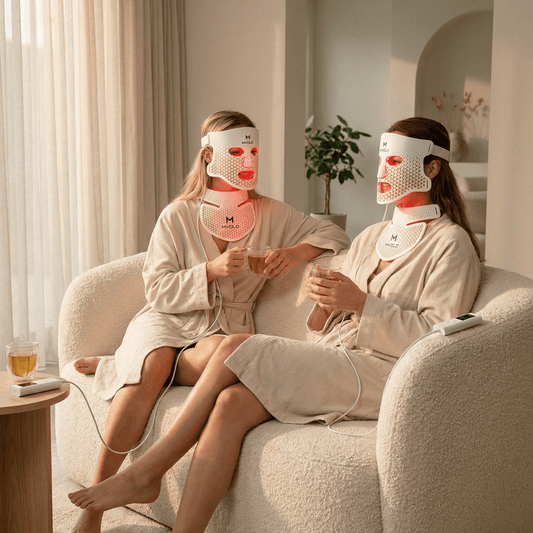
Masks are mainly for the face. They are convenient because they sit close to the skin, but they are not as flexible for other body areas.
Caps and helmets
These are designed for the scalp. People use them as part of hair routines.
Red light therapy panel
A red light therapy panel is one of the most flexible options because you can use it on many areas of the body. This is also where “coverage” becomes important.
If someone wants face, neck, back, legs, or multiple areas, a panel usually makes the routine easier.
Why is a large red light panel easier to stick with
A large red light panel is often a better fit for people who want:
-
More coverage in one session
-
Less time moving a device around
-
A simple routine for multiple areas
-
Hands-free sessions
Smaller devices can still work, but they can feel like a chore if someone is trying to cover more than one area.
Consistency is easier when the routine feels simple, and that is what Mvolo focuses on.
How to choose the best red light therapy device
People search for the best red light therapy device because they do not want to waste money.
A better way to think about it is: best for your routine.
Here is what to look for.
1) Clear specs and transparency
A trustworthy brand should be clear about the basics, including the wavelengths the device uses, the size, and how much of the body it can cover, and the output or intensity, with guidance on the right distance to use it.
It also helps when the controls are straightforward, like having a timer and adjustable brightness levels.
2) Safety and support
When choosing a device, it helps to pick a brand that clearly explains eye safety, gives simple step-by-step instructions, and backs the product with a strong warranty and return policy.
3) A routine you will actually do
Even the best device will not help if it stays in a closet.
The best choice is the one you will use consistently.
Elite Series 506: built for red light therapy at home
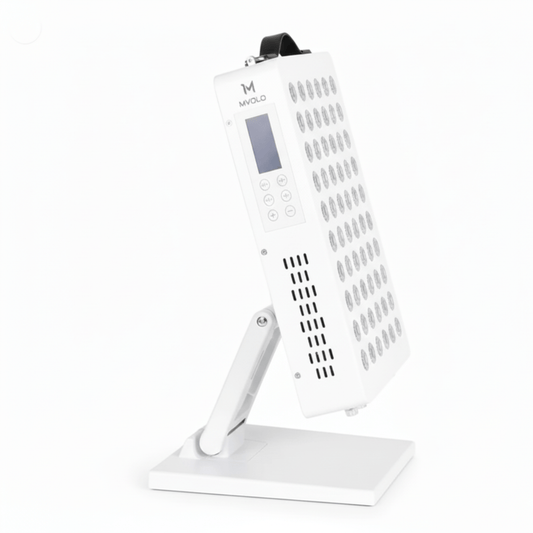
The Mvolo Elite Series 506 is designed as a larger panel option for people who want a consistent home routine with broader coverage.
Here are the key details that matter for home use:
Specs that support a consistent routine
-
6 wavelengths (red plus near-infrared options)
-
120 dual-chip LEDs
-
4 brightness levels so you can adjust comfort
-
Pulse settings from 0 to 999 Hz for flexibility
-
Stated irradiance over 205 mW/cm² at 10 cm
-
Size: 53 × 21 × 6.5 cm, which supports wider coverage
What is included
-
Remote control
-
Protective goggles
-
Hanging and door mount kit
-
Power cable
Peace-of-mind support
-
2-year warranty
-
90-day returns
-
Free delivery in NL and BE
-
Pay later with Klarna
-
A charity contribution is part of the brand values
If someone wants red light therapy at home to feel easy, these details matter. A panel that is simple to control, simple to mount, and comfortable to use is more likely to be used often.
A simple beginner routine using the Elite Series 506
Here is a routine that feels realistic for most people.
Week 1
-
10 minutes
-
3 sessions per week
-
Choose a comfortable brightness level
-
Use goggles for face-level sessions
Week 2
-
10 to 15 minutes
-
4 sessions per week
-
Keep the distance consistent
Week 3 and beyond
-
10 to 20 minutes
-
3 to 5 sessions per week
-
Adjust based on comfort, not pressure
If skin feels irritated, do less. If the routine feels easy, stay steady.
FAQs about red light therapy at home
How long should I sit in front of my red light?
Most people start with 10 to 20 minutes per session.
A common plan is 3 to 5 times per week. If you are new, start closer to 10 minutes and build slowly.
Is it better to do red light therapy at night or in the morning?
Either morning or evening can work. The best time is simply the time you can stick with consistently.
Morning sessions can feel like a steady start-of-day habit, while evening sessions often feel calming as part of a wind-down routine.
If light affects your sleep, try doing your session earlier in the evening instead of right before bed.
Do I need to put anything on my skin before red light therapy?
Most people do not need to apply anything before a red light therapy session.
The simplest approach is to start with clean, dry skin, free from makeup, sunscreen, or heavy skincare products.
After the session, a basic moisturiser can be helpful if the skin feels a bit dry.
Where should you not do red light therapy?
As a simple safety rule, never shine the light directly into the eyes or stare into the LEDs.
It is also smart to avoid red light therapy on any area with unexplained skin changes that have not yet been checked.
If someone is very sensitive to light, or they use skincare products or medications that can increase light sensitivity, they should take extra care and start slowly.
When in doubt, it is safest to check with a qualified professional first.
Final takeaway
Red light therapy at home can be a simple, steady wellness habit when used safely and consistently. Start with clean skin, use a sensible distance, protect your eyes, and focus on a routine you can repeat for weeks.
If you want broader coverage and a setup that feels easy to stick with, a red light therapy panel like the Mvolo Elite Series 506 is designed for exactly that.